Skincare Secrets Giveaway
Do these and make your skin better and better!
Everyone wants to have clean and healthy skin. Many people have done a lot of homework for this, but in the end it may backfire. In fact, there is not so much metaphysics in skin care. The key lies in grasping the core logic, following scientific methods, and putting the basic steps in place. Today, all-round skin care tips are shared with you, from cleaning to sunscreen, from ingredient selection to lifestyle habits, each of which is practical dry goods. Insist on doing these, so that your skin can improve steadily!
1. Cleaning: gently purify the skin and keep the "first line of defense" of the skin
The skin's barrier function is the key to resisting external stimuli and locking in moisture, and the wrong way of cleaning is the "number one killer" of breaking the barrier. Sometimes "care leads to mess", and over-cleaning hurts the skin.
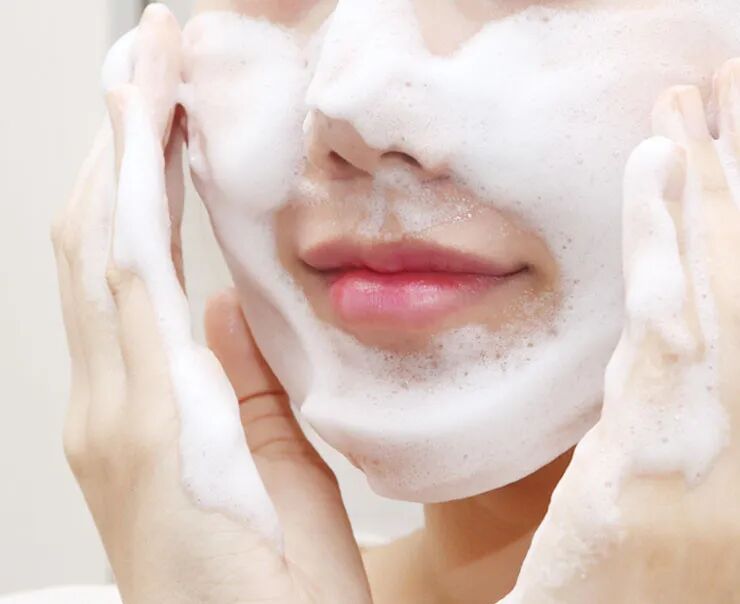
3 core points for proper cleaning:
1. Choose the right cleansing product:First of all, not everyone is suitable for washing their face with a facial cleanser. For normal/dry/sensitive skin, just washing your face with clean water is fine; If you use ordinary sunscreen during the day, you can choose amino acid cleansing with mild texture and less foam at night; Oily/combination skin can choose cleansing with slightly stronger cleansing power, but the core principle is not to be tight after washing. Avoid cleaning products that contain scrub particles and have strong cleaning power.
Note: If you have used makeup remover products, the cleaning power is enough. It is not recommended to use facial cleanser for second cleaning, which can easily lead to damage to the skin barrier.
2. Control the frequency and duration of cleaning:Normal skin type can be cleaned once in the morning and once in the evening, and cleaned in time after sweating or makeup, but there is no need to wash your face frequently (over-cleaning will wash off the sebum film on the skin surface). The duration of washing your face is controlled to 30 seconds-1 minute. Massage gently with circular motions with your fingertips, and never rub hard.
3. Pay attention to cleaning details:The water temperature is warm water of about 32-35℃, and overheated or cold water will irritate the skin; After washing your face, gently press with a clean towel to absorb the moisture instead of wiping back and forth to reduce physical friction to your skin.
Second, moisturizing: hydrating + locking water, so that the skin is full of water and does not lose
Moisturizing is the basic need of all skin types. Dehydrated skin will appear dry, rough, fine lines, and even induce sensitivity and abnormal oil production (dehydrated skin will secrete more oil compensatingly). For truly effective moisturization, we should not only "replenish water", but also "lock water".
4 keys to scientific moisturization:
1. Hydration:After cleansing, the cuticle of the skin is full of moisture. At this time, you can use toner containing moisturizing ingredients, and gently pat it on your face with your hands or cotton pad to quickly replenish moisture for the skin and open the subsequent absorption channel.
2. Choose the right moisturizing ingredients:Different skin types correspond to different ingredients, and products containing ceramide, squalane and vitamin B 5 can be selected for dry skin, which can effectively lock water; For oily/acne skin, a refreshing moisturizing product containing hyaluronic acid and aloe vera extract can be selected, which is hydrating and not sticky; Sensitive skin gives priority to moisturizing products with simple ingredients, avoiding irritating ingredients such as fragrances and preservatives.
3. Sequence of use of moisturizing products:Skin care is as streamlined as possible without the need for multiple product stacks. Following "thin first then thick", toner → (essence) → lotion/cream, the thicker the texture of the product, the more suitable it is to be placed at the end, forming a protective film to lock in moisture.
4. Special scene moisturizing:In seasonal changes, air-conditioned rooms and dry outdoor environments, the frequency of moisturizing essence can be increased, or a humidifier can be matched to avoid rapid loss of skin moisture.
3. Sunscreen: anti-aging + anti-spot, the "top priority" of skin care
Ultraviolet rays are the main culprit of skin aging, spots, acne and even skin diseases. No matter sunny or cloudy days, indoors or outdoors, you need to do a good job of sun protection (UVA has strong penetration power and can penetrate glass to damage the skin). Without sun protection, no matter how expensive skin care products are, all are in vain!
3 core principles for proper sun protection:
1. Choose the right sunscreen products:Select SPF and PA values according to the scene, and select SPF 30+ and PA + + + for daily commuting; For long-term outdoor activities (such as mountain climbing and seaside), choose high-power sunscreen with SPF 50+ and PA + + + +. In terms of skin texture, oily/acne skin can be combined with physical and chemical sunscreen or pure physical sunscreen to avoid greasy acne; Pure physical sunscreen (containing zinc oxide and titanium dioxide) is preferred for sensitive skin, which is gentle and non-irritating.
2. Sufficient application + timely reapplication:The recommended dosage of sunscreen is "2 mg per square centimeter", which is about the size of a coin, and is evenly applied to exposed areas such as face, neck, and behind the ears. Reapply every 2-3 hours outdoors, and reapply in time after sweating more or swimming; If indoor workers are close to the window, they also need to repaint it once a day at noon.
3. With hard sunscreen:Sunscreen can't only rely on skin care products. You can match hard sunscreen equipment such as parasols, sun hats and masks daily. Especially at noon (10: 00-14: 00) in summer, when the ultraviolet rays are strongest, try to reduce going out or avoid direct sunlight areas.
4. Ingredient selection: avoid "IQ tax" and accurate skin care
There are various ingredients of skin care products on the market, and many people blindly follow the trend of "online celebrity ingredients", but ignore their own skin texture and ingredient adaptability. Teach you 3 tips for selecting ingredients to avoid the "IQ tax" of skin care:
1. Streamlined ingredient list:Especially for sensitive skin or barrier damaged muscle, try to choose products with a short ingredient list, no fragrance, no pigment and no alcohol to reduce the burden on the skin and reduce the risk of allergies.
2. Selected ingredients:Friends with specific skin care needs can choose the core ingredients according to their needs: vitamin C, nicotinamide and arbutin for whitening; Retinol, peptide and bosein are selected for anti-aging; Select salicylic acid (low concentration, suitable for oily acne skin) and azelaic acid (mild, suitable for sensitive acne skin); Ceramide, squalane and cholesterol are selected for repairing the barrier.
3. Pay attention to the concentration and collocation of ingredients:High concentration of ingredients is not better, but may irritate the skin (such as high concentration of vitamin C and retinol). Beginners recommend starting with low concentration to establish tolerance; Some ingredients cannot be used in combination (such as salicylic acid + retinol, high concentration fruit acid + vitamin C), which can easily lead to skin redness and peeling. You need to do your homework or consult a professional doctor before matching.
5. Living habits: internal adjustment and external nourishment, the skin state will be stable
Good skin is inseparable from "internal adjustment and external nourishment", and skin care products are external assistants.Healthy living habits are the core of skin stability:
1. Diet:Eat more foods rich in vitamin C (orange, kiwi, broccoli), vitamin E (nuts, avocado), and collagen (pig trotters, fish) to help the skin resist oxidation and maintain elasticity; Eat less high-sugar, high-oil, spicy and stimulating foods, which will aggravate skin inflammation and induce acne and oil.

2. Work and rest:Try to avoid staying up late and ensure 7-8 hours of sleep every day. Staying up late will lead to endocrine disorders, dark circles, bags under the eyes, dull skin, acne and other problems, which will make the skin lose its luster and elasticity.
3. Exercise and Mindset:Adhere to exercise 3-4 times a week to promote blood circulation and make the skin rosy and complexion; Keep a good attitude, excessive stress will also affect the skin state (such as stress acne, chloasma), learn to regulate your emotions through meditation, listening to music, etc.

4. Avoid bad habits:Do not touch your face frequently with your hands, bacteria on your hands can cause skin infections; Don't squeeze acne or pick acne, which is easy to leave acne marks, acne pits, and even cause inflammation to spread; Avoid exfoliation.
Skin care is a long-term process, and there is no "one-night achievement" miracle or "all-purpose" secret. The key lies in knowing your skin type, following scientific methods, doing the basic steps of cleaning, moisturizing and sunscreen in place, and matching healthy living habits, your skin will naturally become more and more stable and translucent.
If your skin has persistent redness, itching, acne, spots and other problems, don't blindly follow the trend of skin care. It is recommended to consult a professional dermatologist in time. Targeted solution to the problem is the safest and most efficient way.
I hope everyone can take less detours on the road of scientific skin care and have a healthy and beautiful skin state! ✨
Disclaimer
- 1. This website aims to popularize skincare knowledge for readers;
- 2. The popular science content cannot replace doctors' diagnosis opinions, and is for reference only; If you have skin problems, please consult a professional doctor in time;