Choosing the right way, sensitivity can also cultivate "insensitivity"
Have you noticed that "sensitive muscle" is soon becoming a common skin problem of our generation? According to the data, about 71% of adults worldwide think that they have symptoms of sensitive skin. Every time the season changes, it's like crossing a robbery. When the wind blows, it turns red, and skin care products sting when they are used incorrectly. The essence of "strong medicine" used by others becomes a "bad face warning" on your face.
We are always "repairing the barrier", but why are some sensitivities always repeated? Because most likely, you are using the wrong method. Today, instead of talking about general "sensitive muscle", let's talk about what kind of "sensitive temperament" your skin belongs to.

Just as people have different personalities, sensitive skin is divided into different types. Using the wrong method, like forcing introverts to socialize, will only backfire. Let's do a little test first:
Scenario 1: After staying in an air-conditioned room for a long time, your cheeks will feel burning and red, like a fever?
Scenario 2: After using new skin care products, the skin quickly stings and itches, instead of slowly turning red?
Scenario 3: When the seasons change or the weather is dry, the skin feels tight, rough and desquamated, and it feels dry no matter how to replenish water?
If you're in the right seat, then congratulations, you've taken the first step in precision skincare. These three reactions correspond to the three "temperament" roots of sensitive skin. The following picture can help you quickly sort out your thoughts:
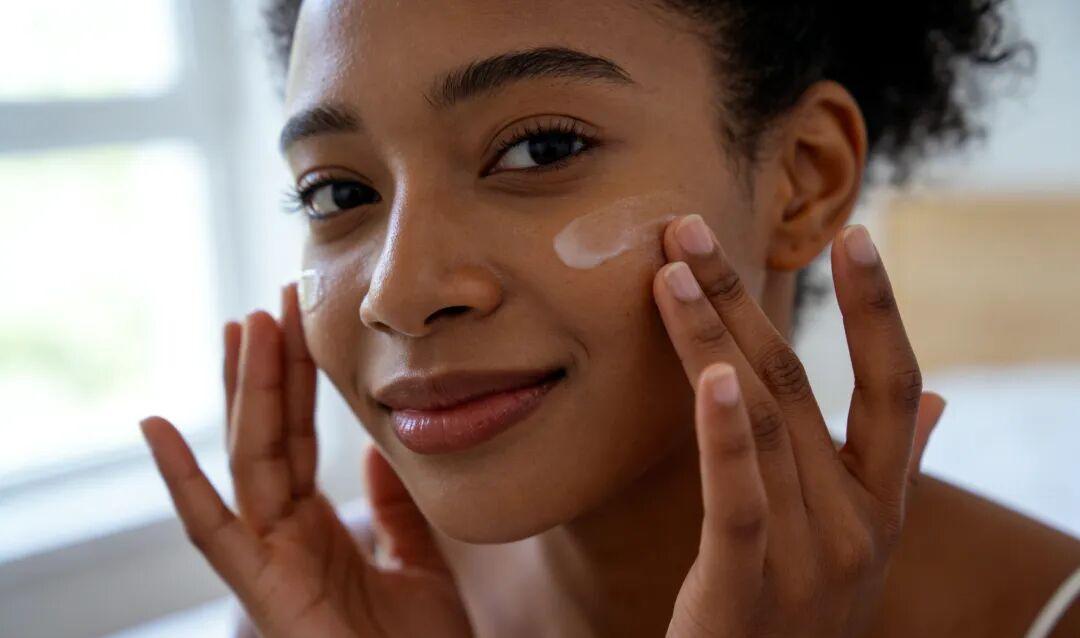
Three "temperament" types of sensitive skin
• Hyperneurotic type
• Sensitive triggers: external temperature changes, mood swings, spicy food
· Skin manifestations: easy burning, paroxysmal flushing
· Core problem: hyperactive skin nerve fibers and low response threshold
· Core keywords of nursing: calm nerves, cool down and maintain stability
· Immune alert type
· Sensitive triggers: exposure to specific ingredients (e.g., flavors, preservatives, alcohol)
· Skin manifestations: tingling, itching, prone to contact dermatitis
· Core problem: skin immune barrier overreaction
· Core nursing keywords: streamline formula and avoid allergens
· Barrier fragile type
· Sensitive triggers: excessive cleansing, dry environment, improper exfoliation
· Skin manifestations: tightness, desquamation, rapid loss of water
· Core problem: the "brick wall structure" of the stratum corneum is damaged and the water locking ability is poor
· Core key words of care: supplementing lipids, repairing barriers
1. "Hypernerve type": Your skin lives with a "highly sensitive soul"
This kind of "temperament" skin, like a person with a keen nature, reacts extremely quickly to the wind and grass. As soon as there is temperature change, mood swing, or even spicy food in the outside world, the nerve endings of the skin are over-excited, releasing neuropeptides such as substance P, which immediately causes vasodilation, making your face red, accompanied by a burning sensation.
✅ Nursing countermeasures: The goal is to "reduce the response" rather than "forcibly suppress".
· Skin care focus: Choose products that contain neuroreceptor antagonists, such as 4-tert-butylcyclohexanol (TRPV 1 antagonist), which can act like a "tranquilizer" to reduce nerve ending overreaction. In addition, classic soothing ingredients such as bisabolol and purslane extract are also good choices.
· Daily habits: Avoid sudden cold and hot environments, and wash your face with warm water; Learn to manage emotions and stress; Avoid spicy food and alcohol for the time being in your diet.
2. "Immune alert type": the skin's "defense system" is a bit overstressed
This skin is like an over-vigilant guard. When exposed to certain ingredients (such as flavors in cosmetics and certain preservatives), the skin's immune cells will mistakenly recognize them as "threats", thus causing allergic reactions such as tingling, itching and even rashes.
✅ Nursing countermeasures: The core is to "eliminate threats" and build trust.
· Skin care focus: Minimalist formula is the key. Avoid known allergenic ingredients, such as some irritating surfactants, high-concentration acids, etc. Always do an allergy test behind your ear or inside your arm before using any new product.
· Product selection: Give priority to cosmeceutical brands designed for sensitive skin, which tend to have purer ingredients. A joint study also suggested that choosing products with simple formulas and few ingredients is less likely to cause irritation.
3. "Fragile barrier type": the "city wall" of the skin is in disrepair
This is the most common and fundamental one. The stratum corneum (that is, the barrier) of the skin is like a brick wall. When over-cleaning, improper acid brushing, and dry environment destroy the "cement" (that is, intercellular lipids, such as ceramides and cholesterol), the wall will be riddled with holes. It can't lock in moisture, and external irritants drive straight in, resulting in long-term dryness, tightness and desquamation of skin, and causing chain sensitivity.
✅ Nursing countermeasures: The core is to "add bricks and tiles" and repair patiently.
· Skin care focus: directly replenish the ingredients needed for the barrier. Choose repair products containing "physiological lipids" such as ceramides, cholesterol and fatty acids, which can directly participate in rebuilding the "brick wall structure" of your skin. Green thorn fruit oil is also a good repair option because of its similar composition to human sebum.
Cleaning principle: Switch to mild cleansing products, avoid soap-based and strong cleansing products, and the water temperature should not be too high. Remember, less is more for sensitive and delicate skin.
A general survival rule for all "sensitive temperaments"
No matter what type of skin you belong to, there are two golden lines that no one should cross:
1. Sunscreen is the absolute bottom line: ultraviolet rays are the culprit that aggravates all types of sensitivity. Give priority to covering sunscreen (hat, mask, sun umbrella). If you need to use sunscreen, pure physical sunscreen with simple ingredients (containing zinc oxide/titanium dioxide) is recommended in sensitive period.
2. Cleaning must be gentle: use cleansing products at most once a day and rinse with warm water in the morning. Avoid all cleansing methods of "deep cleaning" and "strong deoiling", which is destroying the already fragile defense line.
Written for sensitive skin pursuing efficacy (whitening/anti-aging):
If your skin is in an unstable period, please suspend all strong products. After the state is stable, try the strategy of "primer repair + gentle effect". For example, first use a repair essence containing ceramide as a primer, then use a low concentration of mild whitening or anti-aging products topically, and strictly observe the skin reaction.
Understanding the "sensitive temperament" of your skin is not to label yourself, but to find the most comfortable and effective way to get along with you. Skincare is not a conquest, it is a reconciliation. When you no longer challenge its bottom line in the wrong way, but adapt to its needs with precise care, you will find that under the fragile sensitivity, the power of skin self-healing and improvement far exceeds your imagination.
Disclaimer
- 1. This website aims to popularize skincare knowledge for readers;
- 2. The popular science content cannot replace doctors' diagnosis opinions, and is for reference only; If you have skin problems, please consult a professional doctor in time;